
Fire Alarm Inspection 101: What’s Included and Why It Matters
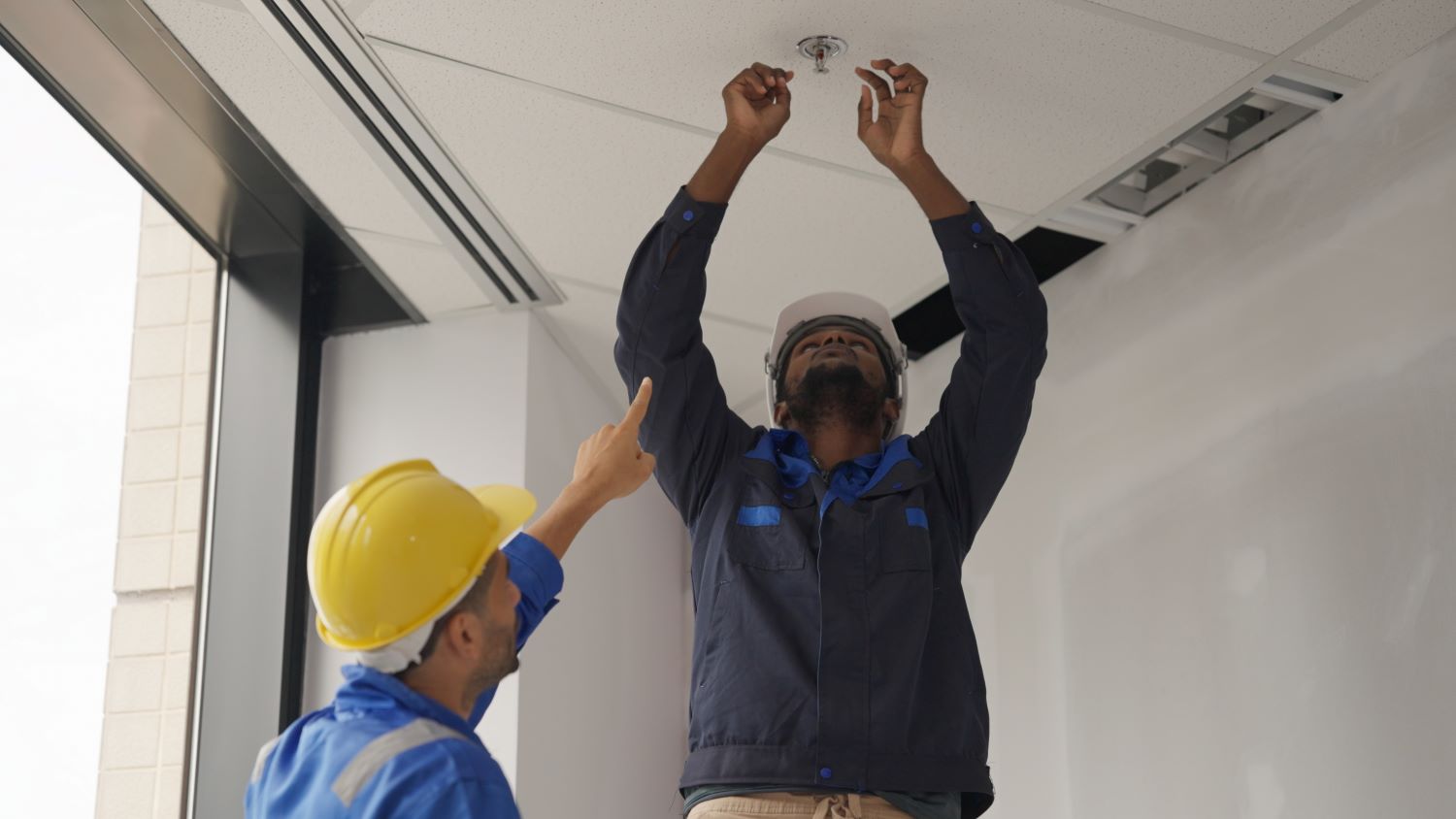
A fire alarm is only as good as its maintenance. Even the most advanced system won’t protect people and property if it isn’t tested and serviced regularly. That’s why an Inspection Fire Alarm System routine is not just a recommendation—it’s a legal and safety requirement. Understanding what’s included in an inspection and why it matters can help building owners and managers keep their facilities safe and compliant.
Why Fire Alarm Inspections Are Important
An Inspection Fire Alarm System ensures that every device—from detectors to control panels—works correctly when needed. Without inspections, risks increase significantly:
- Faulty detectors may miss early signs of fire.
- False alarms can disrupt business operations.
- Insurers may deny claims if no inspection records exist.
- Occupants face greater danger in real emergencies.
What’s Included in a Fire Alarm Inspection?
A proper inspection is more than a quick look at the control panel. It follows industry codes and covers multiple steps to ensure complete reliability.
1. Control Panel Checks
- Verify that the panel is operating normally.
- Review logs for any past faults or error signals.
- Confirm that backup power supplies are functioning.
2. Detector Testing
- Smoke detectors are tested with simulated smoke.
- Heat detectors are exposed to controlled heat sources.
- Each unit is checked for sensitivity and response time.
3. Notification Devices
- Inspect bells, horns, and strobes for proper sound and visibility.
- Ensure alarms are loud enough to be heard above background noise.
4. Manual Stations
- Test pull stations or call points to verify they activate the alarm correctly.
- Confirm they are visible, accessible, and unobstructed.
5. Power Supply and Batteries
- Inspect main power connections.
- Test backup batteries to ensure they can carry the system during outages.
6. Documentation
- Record all tests, results, and any maintenance performed.
- Provide building managers with updated logs for compliance and insurance.
How Often Should Inspections Be Done?
- Weekly or Monthly: Basic checks for fault signals or unusual activity.
- Quarterly: Broader testing of detectors and notification devices.
- Annually: Full Inspection Fire Alarm System service by certified professionals.
Benefits of Regular Inspections
- Peace of Mind: Confidence that alarms will work in an emergency.
- Compliance: Meets fire codes and insurance requirements.
- Cost Savings: Identifies issues early before they turn into expensive repairs.
- Safety First: Ensures occupants have the earliest possible warning during a fire.
Conclusion
An Inspection Fire Alarm System is the backbone of fire safety planning. By checking panels, detectors, alarms, and power sources, inspections guarantee that every part of the system works when it matters most. Skipping inspections may save time in the short term but creates serious risks for people, property, and compliance. Regular inspections are a simple step that delivers life-saving results.




0